REACHING GEN Z IN THE COVID ERA - CENTERS FOR DISEASE CONTROL AND PREVENTION (CDC)
March 2020 - March 2022The pandemic era was confusing, to say the least. I started at the CDC in March 2020 — one week before we transitioned to full-time remote work as COVID began spreading through the U.S. So, I had to learn a lot quickly and under extremely unusual circumstances.
One of the most interesting parts of the role was storyboarding and commissioning COVID-19 “stories” (the kind you tap through, like on Snapchat or Instagram). This was when every platform was launching some version of a Stories feature, though ultimately, Instagram and Snapchat stories were the only ones that survived the pandemic.
Early COVID guidance was messy: changing recommendations, unclear distancing rules, debates over masks, and a whole lot of noise. I used stories as a way to create a strong signal. Once guidance had settled, I gathered the most up-to-date facts and incorporated them into real-world scenarios that showed people how to protect themselves and others.
I chose topics that felt relevant to my age group and my family — things like seeing friends safely, mental health, and practical hygiene tips. The characters were usually college students or young adults, and I tried to represent a diverse range of people so viewers could see themselves in the work. I put them in familiar situations: hosting backyard hangouts, cleaning dorm rooms, doomscrolling on social media, and trying to make sense of a troubling time.
Once I had the stories storyboarded, they went through review with my team and subject matter experts to make sure the guidance was accurate and unlikely to change immediately after we posted it.
Then I worked with CDC artists to decide what details and visuals belonged in each panel. After a short round of edits (I loved working with the art team!), the stories went through final review and were ready for release.
On average, they received about 250,000 views per story. Impact was hard to measure in such a fast-changing environment, especially since the stories were only live for 24 hours at a time. Still, I believe those small bits of useful information made the pandemic a little easier to remember for the Gen Z audience we were trying to reach.
Day to day, I managed the CDC Facebook, Twitter, and LinkedIn pages. That meant reviewing posts submitted by different centers for style, clarity, and errors; scheduling them across the week; troubleshooting account issues; and keeping careful records of post performance so we could report results back to each center and leadership.
Below is a sample of some of the story panels I worked on.
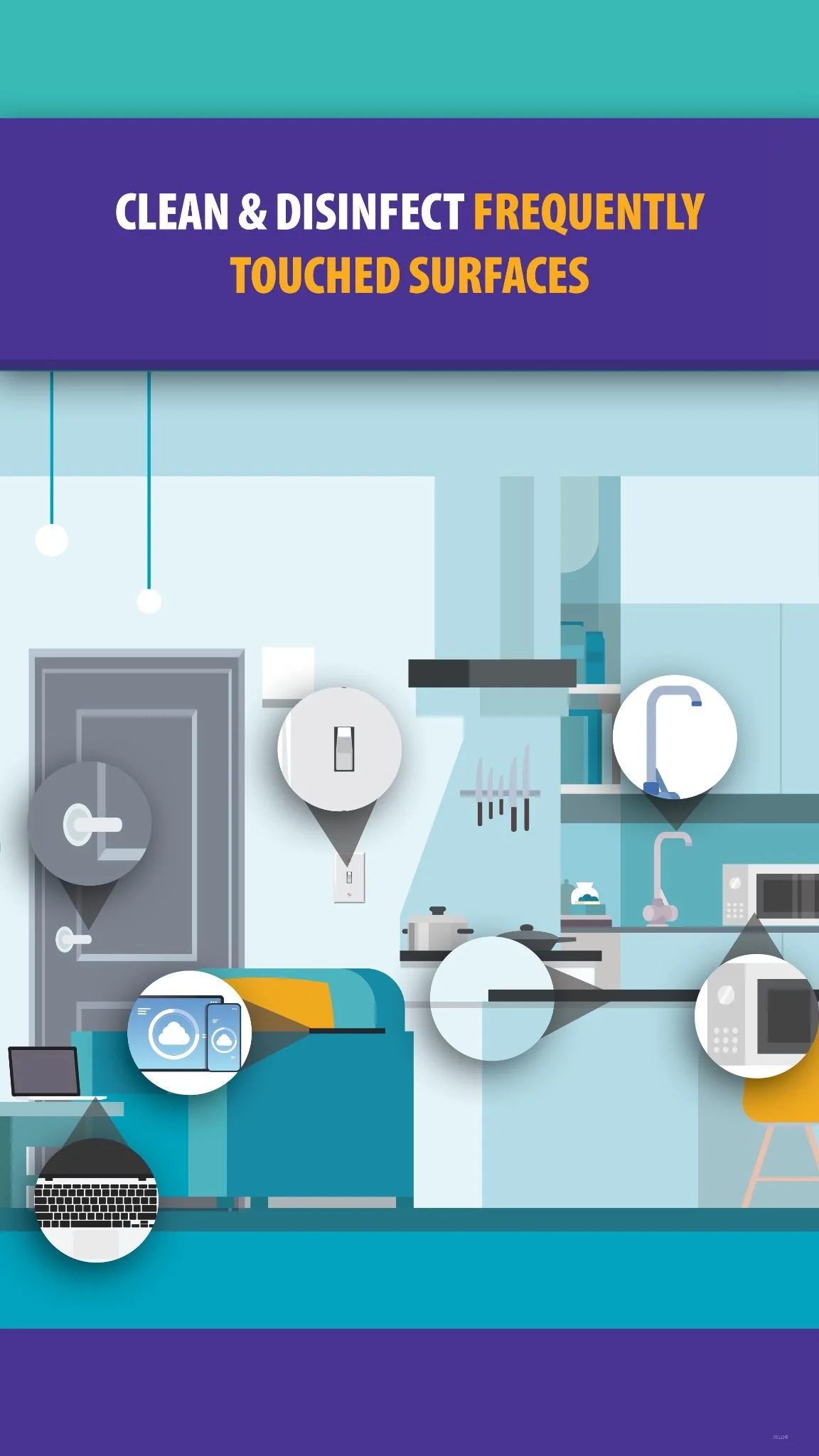
A panel highlighting important surfaces to disinfect.
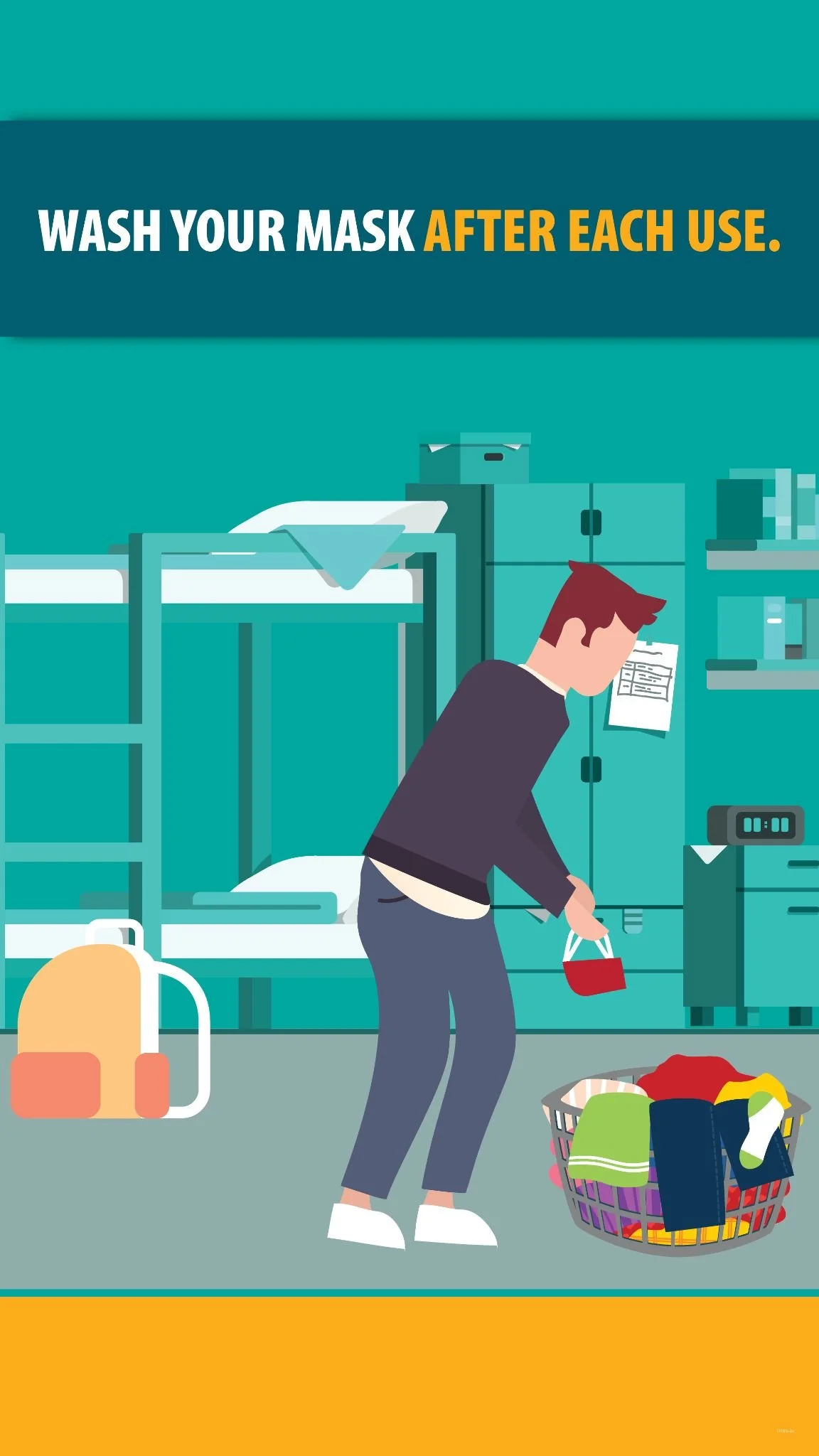
A college student cleaning up his dorm room, incorporating mask washing into his routine.
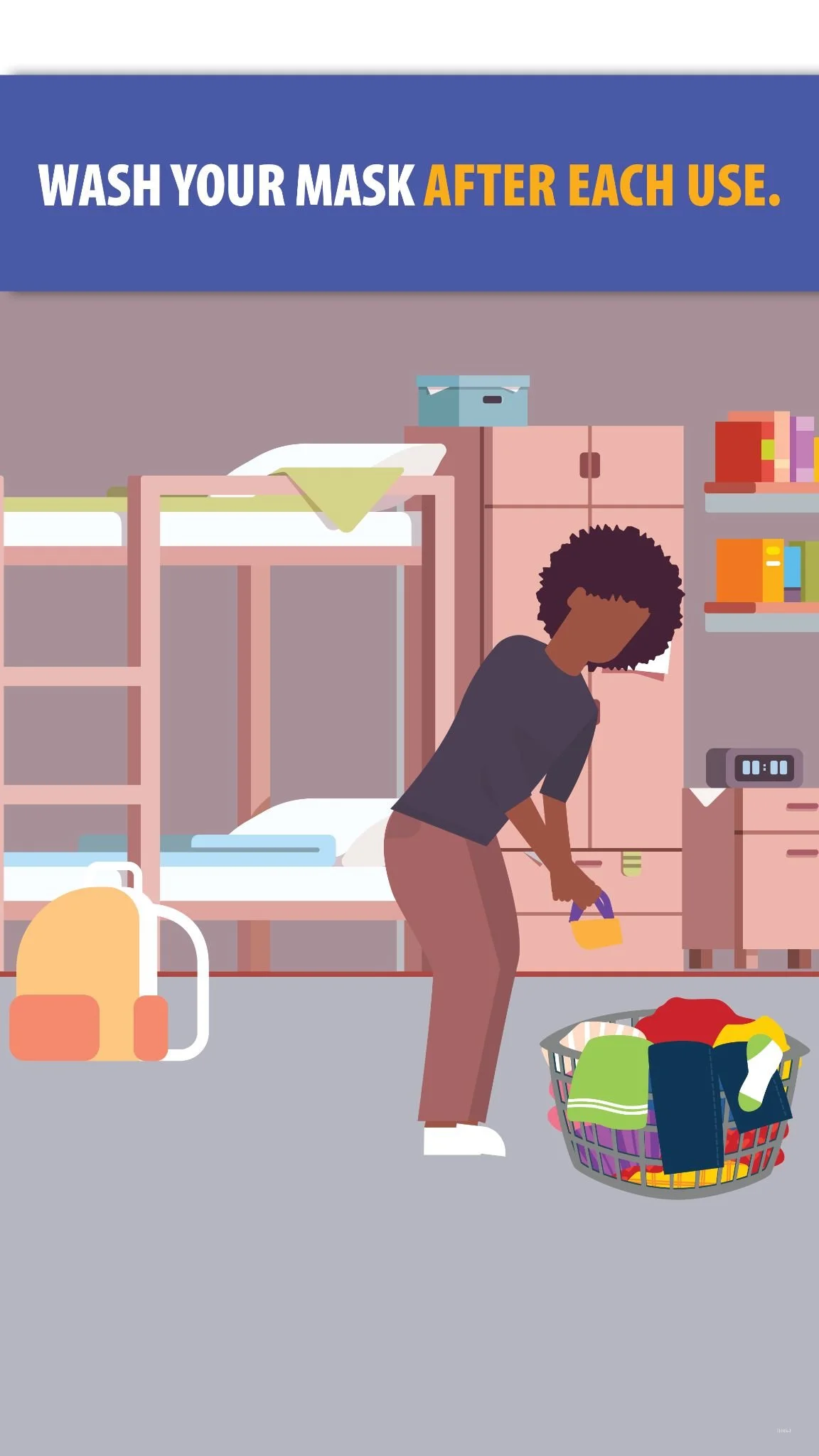
The same panel as the last, but with a different character for more representation.
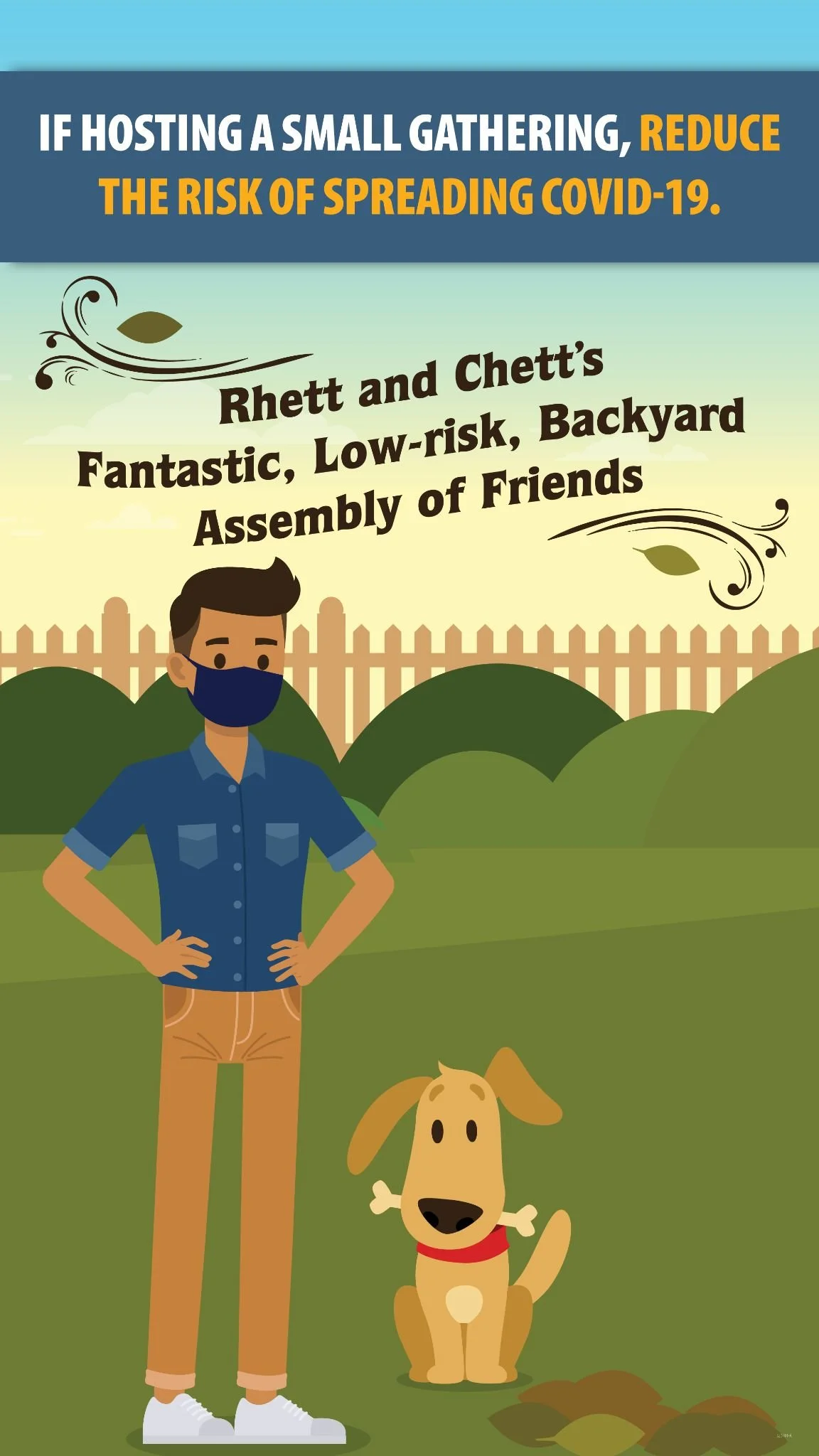
The lead panel of a story with guidance on how to hold safe gatherings outside.
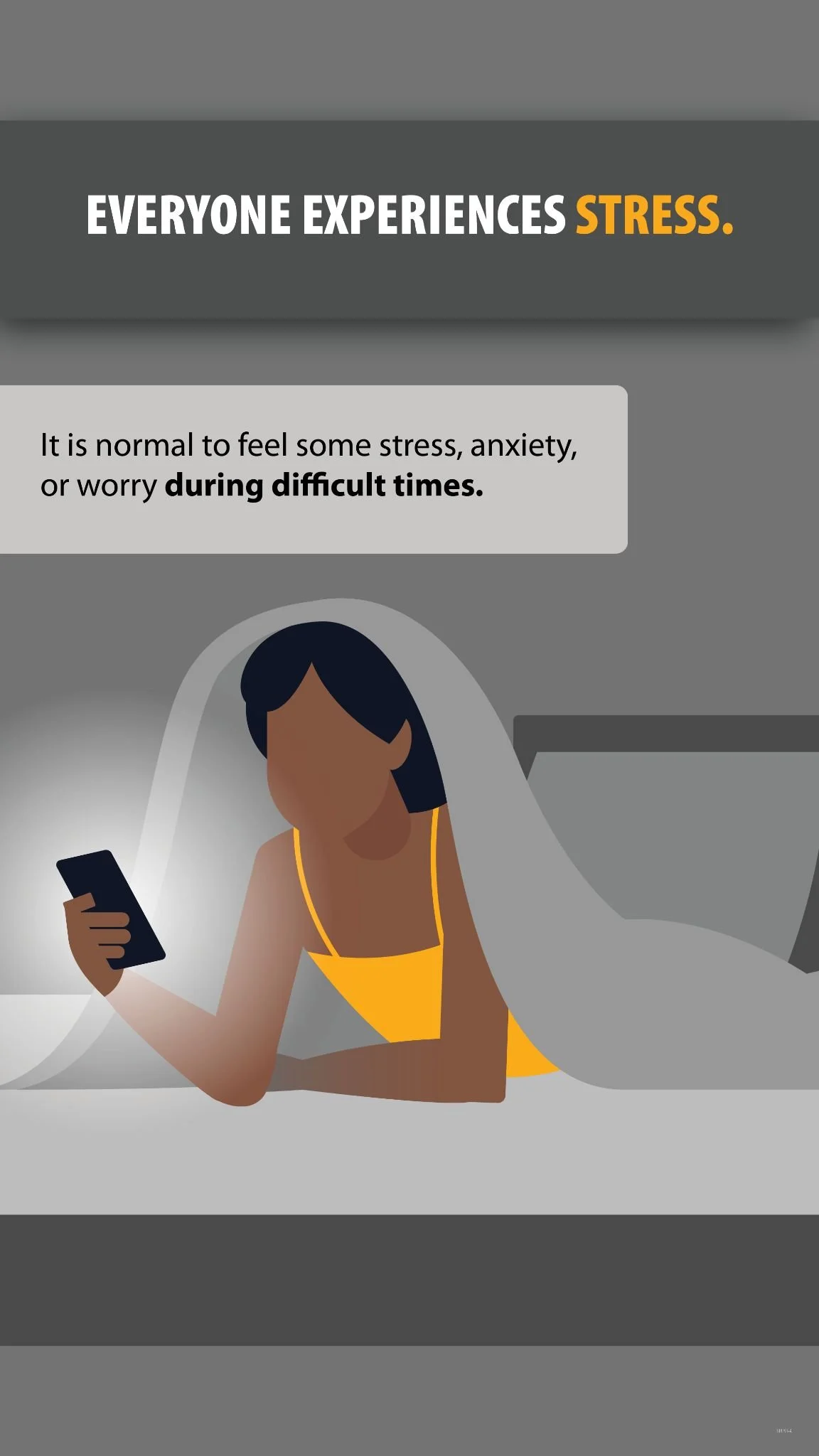
A panel from our story on preserving your mental health during the pandemic.